




0 products
HANDMADE DAMASCUS PRUNING KNIVES
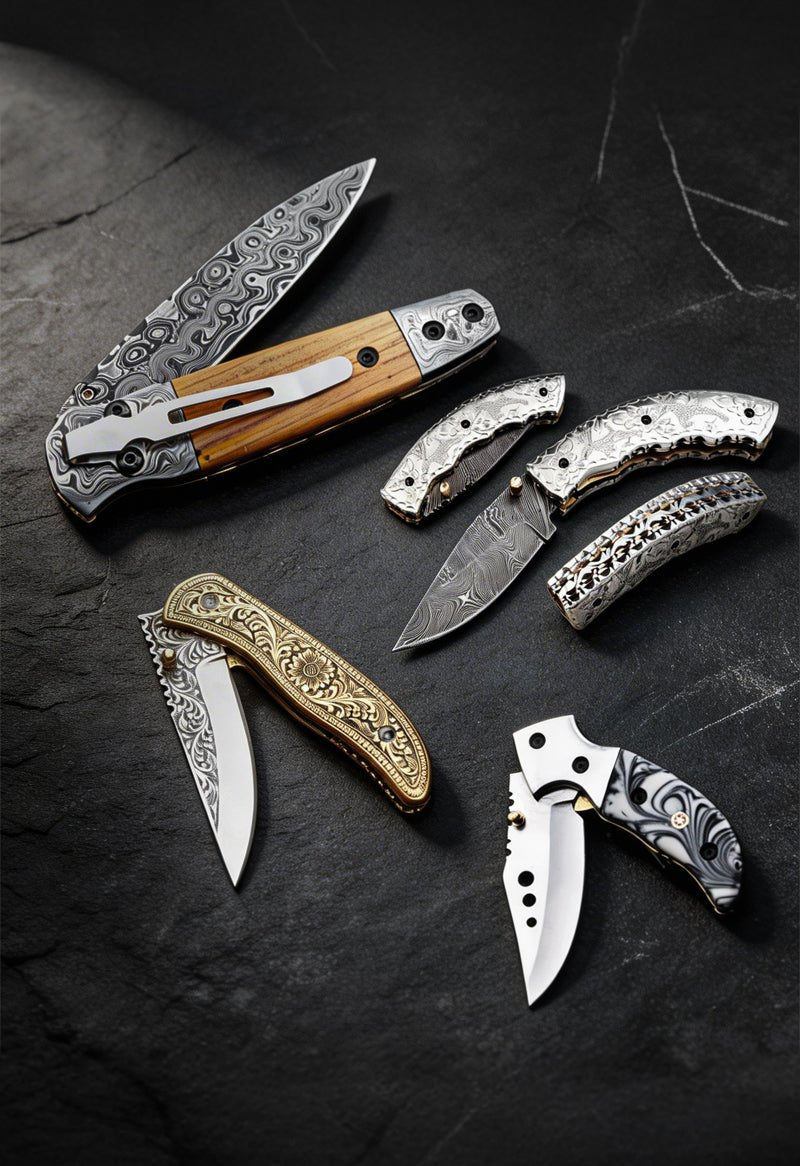
When your garden demands precision cutting and your orchard requires professional-grade pruning performance, you need a blade engineered specifically for horticultural work. JW SteelCrafts Handmade Damascus Pruning Knives are curved, razor-sharp, and ergonomically designed whether you are a serious home gardener maintaining fruit trees and ornamental plants, a professional landscaper serving residential and commercial clients, an orchard worker harvesting grapes, apples, or stone fruits, a bonsai artist shaping miniature trees with surgical precision, or a horticultural professional who understands that quality pruning tools make the critical difference between healthy plant growth and damaged tissue. Each pruning knife is hand-forged from genuine 200-layer high-carbon Damascus steel in the USA, individually curved for optimal cutting geometry, and fitted with ergonomic handles for extended comfort delivering clean precision cuts that promote healthy plant healing across years of serious horticultural work.
The History of Pruning Knives: From Ancient Mediterranean Vineyards to Modern Horticultural Craft
The pruning knife represents one of humanity oldest specialized agricultural tools, with origins stretching back more than three thousand years to the ancient Mediterranean vineyard cultures of Egypt, Greece, and Rome. From Roman vineyard workers using bronze pruning hooks to maintain the wine industry that fueled the Roman Empire through French Burgundy vignerons perfecting pruning technique across centuries of viticultural refinement to modern Japanese bonsai masters applying ancient pruning principles to miniature tree art, the pruning knife has evolved into one of the most essential and historically significant specialized agricultural tools in human cultural heritage.
Ancient Egyptian and Mediterranean Agricultural Origins
The earliest pruning knives emerged in ancient Egypt around 1500 BCE as bronze agricultural implements used by professional vineyard workers maintaining the extensive grape production that supported Egyptian wine culture across the Nile Delta region. Archaeological evidence from Egyptian tombs and Minoan palace excavations on Crete reveals that specialized curved cutting blades were essential equipment for professional viticultural work. The ancient Egyptian pruning knife tradition established the fundamental curved blade geometry that defines modern pruning knives three thousand five hundred years after original development.
Roman Falx Vinitoria and Imperial Viticulture
The Roman Empire elevated pruning knife design to formal agricultural tool specialization through the development of the falx vinitoria the Roman specialized vine pruning knife featuring a distinctive curved blade and shaped handle optimized for the demands of large-scale Roman wine production. Roman vineyard workers from the Italian peninsula to the Rhine River valley to the Iberian Peninsula used falx vinitoria pruning knives to maintain the massive Roman wine industry that supplied military legions, urban markets, and export trade across the Mediterranean world. Roman agricultural writer Columella documented pruning knife use extensively in his influential 1st century agricultural manual De Re Rustica.
Medieval European Monastery Horticulture
Medieval European monasteries from the 5th through 15th centuries preserved and advanced classical pruning knife traditions through monastic horticultural work including wine production, fruit orchards, and medicinal plant gardens. Cistercian monks in particular developed sophisticated pruning techniques and specialized pruning knife designs for their extensive agricultural operations across France, Germany, and England. Monastery horticulture established the foundation for modern European wine culture, orchard management, and professional pruning technique that continues to influence horticultural practice today.
French Vigneron Tradition and Burgundy Heritage
The French vigneron tradition established the modern pruning knife standard through centuries of continuous viticultural refinement in Burgundy, Bordeaux, Champagne, and Loire wine regions. French master cutlers in Thiers developed the classic French vineyard pruning knife featuring distinctive curved blade geometry, premium handle materials including boxwood and olive wood, and refined ergonomic design optimized for the detailed precision work that defines French viticultural craftsmanship. French pruning knife designs continue to serve as the global standard for serious viticultural work in premium wine regions worldwide.
Japanese Bonsai Tradition and Modern Horticultural Precision
Japanese bonsai masters developed parallel specialized pruning knife traditions through more than a thousand years of continuous miniature tree cultivation refinement, producing the finest precision pruning blades in the world for the detailed shaping work that defines bonsai art. Japanese brands including Masakuni, Kaneshin, and Okatsune established the modern premium horticultural knife category through hand-forging techniques derived from katana-making traditions. Modern Japanese pruning knives are prized worldwide by serious bonsai artists, professional landscapers, and horticultural professionals who demand the sharpest and most precise cutting tools available for delicate plant work.
What is a Pruning Knife?
A pruning knife is a specialized horticultural cutting tool engineered specifically for the precision work of pruning fruit trees, grape vines, ornamental plants, bonsai trees, roses, and other horticultural specimens where clean cuts promote healthy plant healing and continued vigorous growth. Unlike general-purpose kitchen or utility knives, pruning knives feature distinctive curved blade geometry typically 2.5 to 4 inches long with sharp hooked or curved cutting edges optimized for the specific pulling-cut technique that distinguishes professional pruning work from general cutting, premium high-carbon steel construction that holds the razor edge essential for clean cuts through live plant tissue, ergonomic handles designed for sustained use during extended pruning sessions, and traditional folding or fixed-blade construction depending on specific horticultural application. Pruning knives serve as essential tools for serious home gardeners maintaining fruit trees and roses, professional landscapers serving residential and commercial clients, orchard workers harvesting commercial fruit crops, viticultural specialists maintaining wine grape operations, bonsai artists shaping miniature trees, and anyone who understands that quality horticultural work begins with professional-grade pruning tools. From ancient Egyptian vineyard workers and Roman falx vinitoria tradition to French Burgundy vignerons and modern Japanese bonsai masters, the pruning knife has proven itself as one of the most essential and historically significant specialized horticultural tools in agricultural heritage.
Why Choose a JW SteelCrafts Damascus Pruning Knife?
Every blade in our Pruning Knives Collection is individually hand-forged by skilled American artisans using 200+ layers of high-carbon Damascus steel, hardened to 58-60 HRC on the Rockwell scale, with precision attention to curved blade geometry, razor-sharp edge quality, and ergonomic handle design optimized for extended horticultural work. This labor-intensive process delivers exceptional edge retention through thousands of pruning cuts, structural strength combined with precision for clean cuts that promote healthy plant healing, superior sharpness essential for professional-quality pruning work, and the signature flowing Damascus pattern that elevates every pruning knife into a horticultural heirloom tool. While mass-produced pruning knives from brands like Felco, Opinel, Victorinox, Okatsune, or ARS Corporation rely on stamped steel and injection-molded handles, our pruning knives are shaped by hand fire, hammer, water, oil, and decades of accumulated skill creating serious horticultural tools worthy of generations of professional gardening and viticultural work.
Pruning Knife Specifications
Every JW SteelCrafts pruning knife is built to exacting specifications for optimal performance, authentic character, and heirloom-quality durability. The following specifications represent our standard production custom orders with modified configurations are available upon request.
Pruning Knife Styles and Horticultural Design Traditions
Our pruning knife collection honors the major regional traditions that have shaped specialized horticultural cutlery across three thousand years of agricultural refinement worldwide.
Classic French Vineyard Pruning Knife
The classic French vineyard pruning knife follows the vigneron tradition developed in Burgundy, Bordeaux, and Loire wine regions across centuries of viticultural refinement. Features distinctive curved hook blade with premium handle materials, ideal for grape vine pruning, delicate ornamental work, and the full range of fine horticultural tasks that define serious viticultural craftsmanship.
Japanese Bonsai Pruning Knife
The Japanese bonsai pruning knife represents the Eastern tradition of horticultural precision, featuring extremely sharp hand-honed edges optimized for the detailed shaping work that defines bonsai art. Favored by serious bonsai artists and precision horticultural professionals worldwide for the sharpest cuts available in horticultural tool design.
American Orchard Pruning Knife
The American orchard pruning knife features robust folding construction optimized for commercial fruit orchard work including apple, pear, peach, and stone fruit tree pruning. Favored by commercial orchardists and serious home fruit growers across the American apple belt and premium stone fruit regions.
Rose and Ornamental Pruning Knife
The rose and ornamental pruning knife features refined compact design optimized for the delicate precision work of maintaining rose gardens, ornamental shrubs, and specialty flowering plants. Favored by rose garden enthusiasts and landscape professionals specializing in ornamental horticulture.
Grafting and Budding Knife Variant
The grafting and budding knife variant features specialized blade geometry optimized for the horticultural grafting work that joins different plant varieties for propagation and specialty cultivation. Essential tool for orchardists developing new fruit varieties and horticultural professionals creating specialty plant combinations.
Who Needs a Pruning Knife?
Serious Home Gardeners and Horticultural Enthusiasts value handmade Damascus pruning knives for the superior precision cutting performance they bring to maintaining fruit trees, grape vines, rose gardens, and ornamental plants, transforming routine garden maintenance into professional-quality horticultural work.
Professional Landscapers and Garden Contractors choose Damascus pruning knives for premium service quality during residential and commercial landscaping work, superior durability compared to stamped production knives, and the distinctive aesthetic appeal that reflects professional service standards.
Commercial Orchardists and Vineyard Workers appreciate Damascus pruning knives for the superior edge retention essential during intensive seasonal pruning operations across commercial fruit orchards and vineyard operations where quality tools affect harvest yields and plant longevity.
Bonsai Artists and Precision Horticulturists value Damascus pruning knives for the exceptional sharpness required for the delicate detail work that defines bonsai art and specialty precision horticulture, honoring Japanese traditions that have refined pruning knife design across more than a thousand years.
Horticultural Gift-Givers find Damascus pruning knives among the most meaningful gifts for serious gardener friends, family members, and horticultural professionals who will use quality specialized tools throughout their gardening careers for decades of memorable garden work.
How to Use and Care for Your Damascus Pruning Knife
Our Damascus pruning knives are designed for precision horticultural performance and multi-generational durability when properly maintained. After each pruning session, wipe the blade clean with a dry cloth to remove plant sap, moisture, and organic residues that can promote blade corrosion. Apply a light coat of food-safe mineral oil or specialized blade oil periodically to prevent rust and preserve the Damascus pattern plant saps particularly from fruit trees contain acids that can etch high-carbon steel if left uncleaned. For folding pruning knife mechanisms, apply a drop of light machine oil to pivot points occasionally to maintain smooth action. Store in the included leather pouch, in a dedicated horticultural tool box, or on a magnetic rack in the garden shed. Hand-sharpen on a quality fine-grit whetstone when the edge begins to lose its razor sharpness professional orchardists and vineyard workers often strop their pruning knives multiple times during a single workday to maintain the clean cut quality essential for healthy plant healing. With proper care, your Damascus pruning knife will outlast decades of serious horticultural use and become a treasured working heirloom passed from gardener to gardener across generations of productive garden work.
Shop with Confidence — JW SteelCrafts Guarantees
Every Damascus pruning knife ships fast from the USA with a lifetime craftsmanship guarantee covering workmanship defects for the entire life of the blade. If your pruning knife fails due to a manufacturing defect, we will replace or repair it no questions asked. Each pruning knife arrives with a leather protective pouch, care instructions, certificate of authenticity, and the quiet confidence that it was forged by hand by American artisans working in a horticultural cutlery tradition that stretches back more than three thousand years to the ancient vineyard cultures of Egypt and the Mediterranean.
Browse our complete collection of handmade Damascus pruning knives below. From classic French vigneron vineyard knives and Japanese bonsai precision tools to American orchard working knives, rose and ornamental specialists, and grafting and budding variants every piece is one-of-a-kind forged for the serious gardener, orchardist, viticulturist, or bonsai artist who refuses to settle for stamped production horticultural tools.
FAQs